
Court Orders OPT Processing to Resume for Some Students
Apr 29, 2026
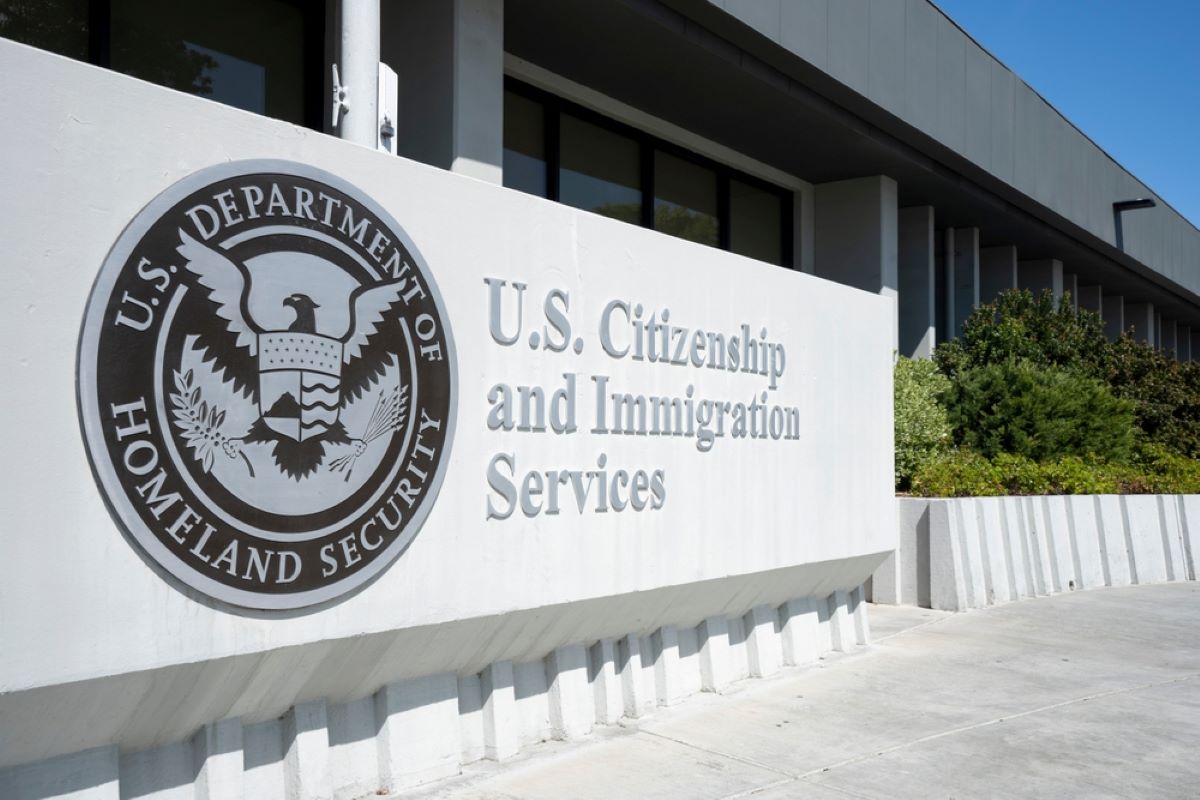
A U.S. federal judge has ordered a partial rollback of a controversial policy that left many international students stuck in what has been described as “immigration limbo.”
In a recent ruling, a California judge directed U.S. immigration authorities to resume processing work authorization applications for a small group of affected students and scholars. The case involved one Sudanese and 30 Iranian applicants whose permits had been stalled under a broader government pause targeting individuals from so-called “high-risk” countries.
The policy stems from two internal memos issued in late 2025 and early 2026, which effectively froze the processing of various immigration benefits, including Optional Practical Training (OPT), for nationals from around 40 countries impacted by a travel restriction policy.
Government officials have defended the move, arguing that the administration has the authority not only to control entry into the United States but also to regulate immigration benefits for those already in the country. They say the pause was necessary to conduct a more thorough review and strengthen vetting procedures.
However, critics argue that the indefinite delay is both unlawful and discriminatory. More than three dozen lawsuits have been filed challenging the policy, claiming it violates administrative law and unfairly targets individuals based on nationality. Legal experts point out that while immigration authorities can approve or deny applications, they are still required to process them within a reasonable timeframe.
In her decision, the judge noted that the government failed to provide any clear timeline for when processing would resume. She also highlighted that immigration authorities did not meet their own 90-day deadline to issue further guidance on the policy.
While the ruling offers some relief, it currently applies only to the individuals involved in the lawsuit. Legal analysts say this limited scope means that many other affected students remain in uncertainty, though the decision could influence broader challenges in the future.
For international students, the consequences have been significant. Many graduates have been unable to begin jobs, leading to lost income, gaps in health insurance, and even housing instability. Some have chosen to enroll in new academic programs to maintain their visa status, while others have left the country altogether.
The situation is especially pressing as graduation season approaches. Students must apply for OPT within 60 days of completing their studies, and delays in processing could jeopardize their ability to stay and work legally in the U.S.
Although OPT participants remain on student visas rather than traditional work permits, immigration authorities have confirmed that the same country-specific restrictions apply.
For now, the ruling is seen as an important but limited step forward. Broader relief may depend on future court decisions, or potential policy changes, leaving many international students still waiting for clarity.
Source: The PIE News