U.S. Study Visa Alert: Plan Your Finances Right
Apr 28, 2026
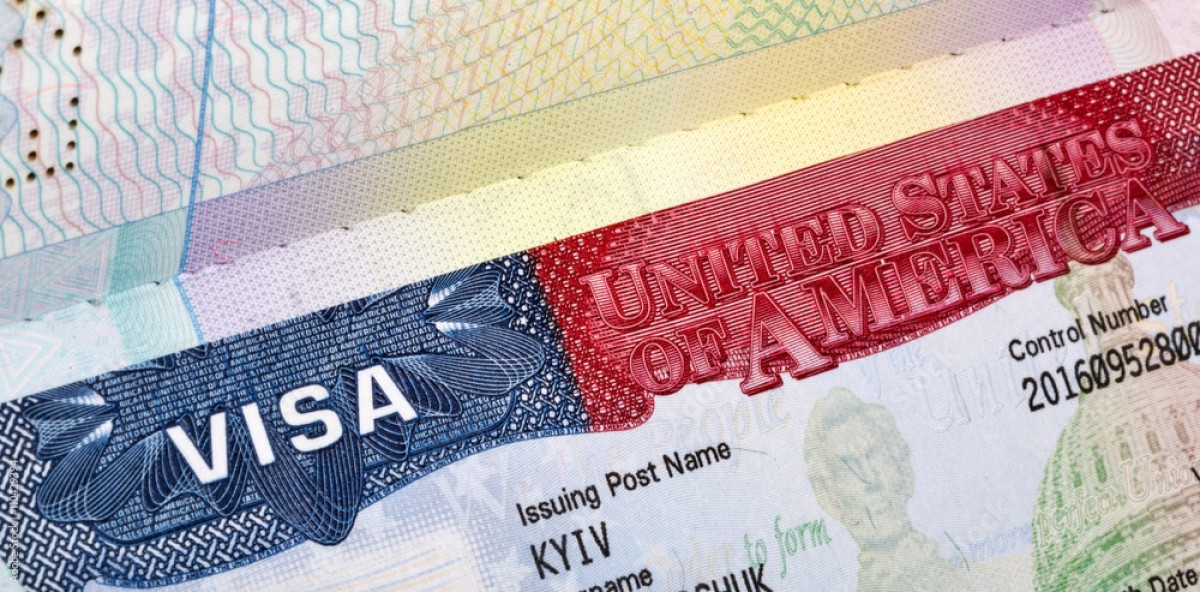
If you are planning to study in the United States, there is an important message you should not ignore. A recent advisory from the U.S. Department of State serves as a clear reminder: international visitors are expected to be fully responsible for their expenses while in the country.
In simple terms, if you travel to the U.S., whether for study, tourism, or short-term programs, you must be able to pay your own way. This includes not just tuition and daily living costs, but also unexpected situations like medical emergencies or travel disruptions. Depending on U.S. government assistance to cover these costs is considered a misuse of visa conditions.
For students, this matters more than ever. Most international students enter the U.S. on an F-1 Visa, which requires proof of sufficient financial resources before approval. But that requirement does not end at the visa interview. You are expected to remain financially independent throughout your stay.
The reason behind this policy is straightforward. U.S. public benefits are funded by taxpayers and are not intended for temporary visitors. If a student or visitor relies on these benefits, it can be seen as violating the terms of their stay. The consequences are serious, you could be denied future visas, making it difficult to return to the U.S. for further studies, work opportunities, or even travel.
This is especially important when it comes to healthcare. Medical treatment in the U.S. can be extremely expensive, and even a short hospital visit can lead to significant bills. That is why having proper health insurance is not just recommended, it is essential. Being unprepared in such situations can quickly turn a great study abroad experience into a stressful one.
The takeaway is simple: studying in the U.S. is not just an academic commitment, it is a financial one too. Planning your budget, setting aside emergency funds, and understanding your responsibilities as a visa holder are all part of the journey.
This reminder from the U.S. Department of State is not meant to discourage students, it is meant to protect your future. If you stay prepared and respect the rules, your study abroad experience can open doors instead of closing them.

Source: US Embassy Ghana