
UK Visa Rules Put Pressure on University of Sunderland
Oct 5, 2026
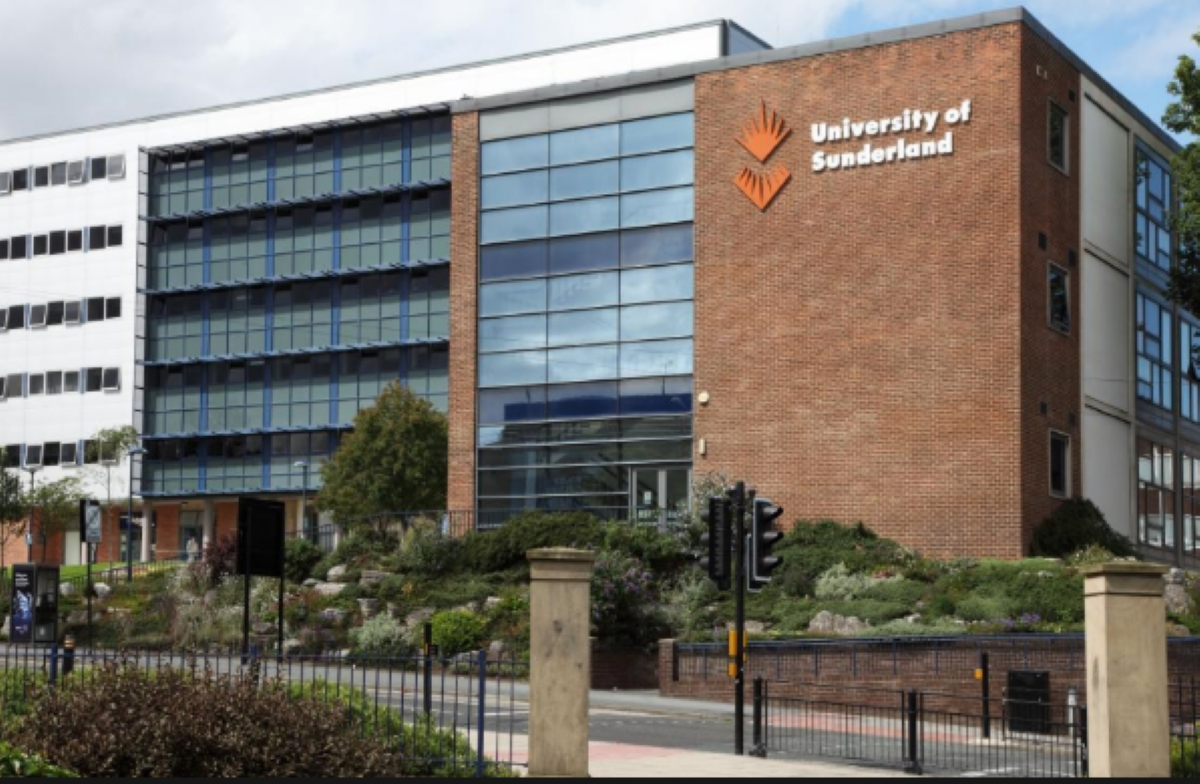
The impact of the UK’s tightening immigration rules is becoming increasingly visible across the country’s higher education sector, with the University of Sunderland now preparing to cut £40 million ($53 million) from its annual budget as international student recruitment comes under pressure.
The development is particularly significant for African students. The University of Sunderland has a substantial international student population, with nearly 4,000 students from African countries enrolled during the 2025/26 academic year. Nigerians make up the largest African group, with 2,559 students, followed by 438 Ghanaians, 291 from Botswana, and 139 from Kenya. The university also has students from Zimbabwe, Egypt, South Africa, Morocco, Zambia, Uganda, Cameroon and Sudan.
For prospective African students, the situation highlights how changes to UK immigration policy can affect not only visa applications but also the universities that depend heavily on international enrolment.
In March 2026, the UK government introduced a visa brake affecting Student visa applications made from outside the UK by nationals of Cameroon, Sudan, Afghanistan and Myanmar. Under the measure, applications from nationals of these countries are refused, with the restriction initially expected to remain in place for 18 months.
The UK government said it introduced the measure in response to high levels of asylum claims among people who entered the country through legal visa routes. It estimates that the policy will prevent approximately 4,300 Student visas from being issued during the period, including around 200 applications from Cameroonian nationals and 160 from Sudanese nationals.
Although the visa brake directly affects students from only certain countries, its wider effects could extend across the international education sector. Universities are becoming increasingly cautious about international recruitment as they face tighter sponsorship and compliance requirements, while institutions that fail to meet immigration rules can face restrictions on their ability to enrol overseas students.
At Sunderland, the effects are already being felt. The university withdrew 69 offers previously made to applicants from Myanmar and has reported an overall increase in visa refusals affecting international recruitment.
For students, this changing environment reinforces the importance of preparing carefully before applying for a UK Student visa. A university offer does not by itself guarantee that a student will be able to obtain a visa, and applicants need to ensure that they meet all relevant immigration requirements and provide accurate and convincing documentation.
The financial challenges facing Sunderland also demonstrate how closely some UK universities have become tied to international student recruitment. The institution currently has 29,414 students, including 8,368 international students studying in the UK and a further 9,743 students based overseas. International students account for more than 40% of its UK-based enrolment and more than half of its postgraduate population studying in Britain.
The university has said it needs to reduce its annual operating costs by £40 million by September 2027, with the savings expected to be permanent. While Sunderland says it is working to identify savings without compromising the student experience, the scale of the planned reduction highlights the potential consequences of declining international enrolment.
For current and prospective students, the immediate concern will be whether these financial pressures affect the services and opportunities available to them. Universities facing significant budget reductions may need to reconsider staffing, programmes, facilities and other areas of expenditure. However, Sunderland has indicated that it is seeking to manage the reductions while protecting the student experience.
The situation is also a reminder that international students should look beyond tuition fees and university rankings when choosing a study destination. Prospective students should consider a university’s financial stability, international student support, academic offerings, location and the wider immigration environment when making their decisions.
African students remain an important part of the UK’s international education community, and countries such as Nigeria and Ghana continue to represent major student markets. However, the developments at Sunderland show that recruitment conditions can change quickly when governments introduce new immigration policies.
For students planning to study in the UK, this makes it more important than ever to stay informed about visa requirements and apply with strong, well-prepared documentation. Students should also seek professional guidance where necessary and avoid relying on outdated information when making decisions about their education.
The University of Sunderland’s budget squeeze is therefore more than a financial story. It reflects the growing connection between UK immigration policy and the international student experience. As universities adjust to a more tightly regulated recruitment environment, students will need to be increasingly strategic about where they apply, how they prepare their visa applications and what they expect from their chosen institution.
Source: Business Insider Africa