US Set to Expand J-1 Exchange Visitor Termination Rules
Aug 7, 2026
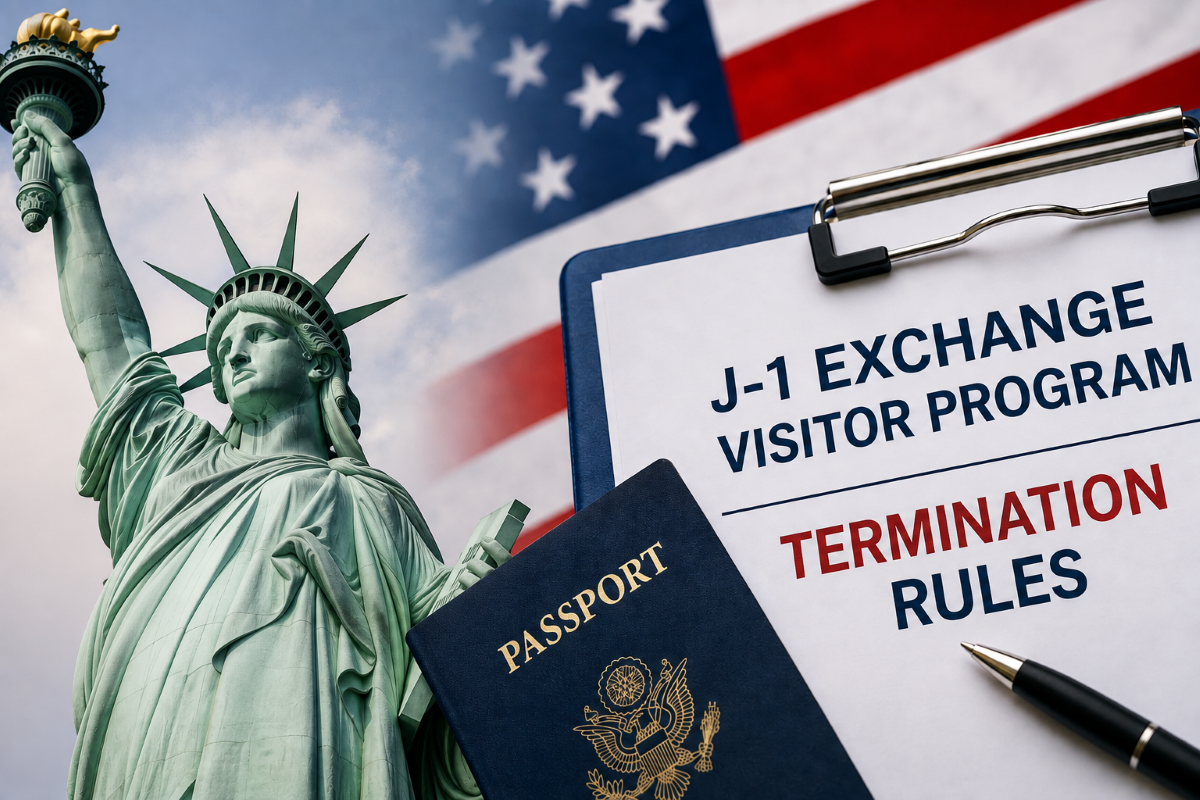
The United States is proposing changes to its J-1 Exchange Visitor Program that could significantly affect international students, researchers, interns, teachers, and other exchange participants. While the changes are largely presented as a modernization of an outdated administrative system, some education and immigration experts are expressing concerns about how certain provisions could impact visa holders.
The proposed regulations, introduced by the U.S. Department of State, are intended to update rules that have remained largely unchanged since 1999. At the time, the Student and Exchange Visitor Information System (SEVIS) did not exist, and many immigration processes relied heavily on paper documentation. The new proposals aim to streamline program management by replacing these outdated procedures with digital SEVIS-based workflows.
Although many stakeholders acknowledge that modernizing the regulations is necessary, some proposed changes have raised questions given the broader immigration environment in the United States. Following previous visa cancellations and increased immigration enforcement, education professionals are carefully reviewing the new rules to understand their potential impact on international exchange visitors.
One of the most significant proposals would expand the State Department's authority to terminate participation in a J-1 exchange program. Under the proposed rule, if a participant's visa is revoked with immediate effect, the Department could terminate their exchange program without prior notice or an opportunity to challenge the decision. This provision has attracted attention because it could reduce procedural safeguards for affected participants.
The proposal also introduces additional grounds for terminating a participant's program if they are found to have provided false or incomplete information or documentation. In these cases, however, participants would be notified of the action and allowed to respond before a final decision is made.
Another important change relates to health and accident insurance. Under the proposed regulations, J-1 sponsors would be required to terminate a participant's program if the participant fails to maintain the mandatory insurance coverage. Currently, termination generally applies only when the failure to maintain insurance is considered intentional. If approved, the revised rule would make insurance compliance an even more critical responsibility for all exchange visitors.
The proposed regulations also include several administrative updates designed to improve program oversight. Sponsors would have less time to correct errors in SEVIS records, while requests to extend an exchange program would need to be submitted at least three months before the program's end date. In addition, the proposal removes the existing 45-day processing timeline for reinstatement requests, meaning there would no longer be a defined period within which authorities must make a decision.
The proposed rule is currently open for public comment for 60 days, allowing universities, exchange organizations, immigration professionals, and other stakeholders to provide feedback before the regulations are finalized. Industry organizations have indicated they will carefully review the proposals and submit recommendations where necessary.
According to the latest BridgeUSA data, approximately 275,000 participants entered the United States through the J-1 Exchange Visitor Program in 2025. The program supports a wide range of educational and cultural exchanges, including university students, researchers, professors, interns, trainees, summer work participants, and au pairs.
The proposed changes also come ahead of another important immigration update. Beginning September 15, J-1 exchange visitors will be admitted to the United States for a fixed period matching the approved length of their program. Participants who need additional time beyond their authorized stay will generally be required to apply for an extension through U.S. Citizenship and Immigration Services (USCIS).
For prospective international students and exchange participants, these developments highlight the importance of staying informed about evolving U.S. immigration policies. Before applying for a J-1 program, students should work closely with their sponsoring institution or organization, understand all visa conditions, maintain the required insurance coverage, and ensure all information submitted to immigration authorities is accurate and complete.
While these proposals are not yet final, they signal the U.S. government's continued efforts to modernize the administration of the J-1 Exchange Visitor Program. Anyone planning to study, conduct research, teach, or participate in an exchange program in the United States should monitor official announcements closely and seek professional guidance when necessary to remain compliant with changing immigration requirements.
Source: The PIE News